Mescall Clinical & Justice Services, LLC
Forensic
• Competence
• Sanity
• CivilLitigation & Compliance Monitoring
• Compliance Oversight
• Progress Monitoring
• Systems EvaluationsProgram Design
• Mental Health Program Design
• MH Plant Space Design
• Policies and Procedures
Forensic Services
There are many ways in which psychologists can provide special expertise and opinions to aid the courts. There are literally dozens of different types of evaluations and forensic subspecialties. However, it is important that psychologists practice only within their area of expertise and comfort. Moreover, a jack of all trades is a master of none. Listed below are the types of referrals that Dr. Mescall is and is not willing to accept. If you have a specific referral question not listed below, feel free to contact Dr. Mescall for more information.Accepting Referrals For:
• Competence to Stand Trial
• Sanity at the Time of the Offense
• Independent Psychological Evaluation (for justice-involved patients only)
• Civil Competence Evaluations
• Malpractice Case Review and Expert Witness Testimony (for justice-involved cases only)Not (Currently) Accepting Referrals For:
• Child Custody
• Divorce Proceedings
• Violence Risk Assessment
• Personal Injury
• Fitness for Duty
Litigation & Monitoring
In 1963, the US passed the Community Mental Health Act. This was well-intentioned, but poorly thought-out and improperly funded. The end result of this legislation was that the US lost more than 96% of it’s state psychiatric bed capacity, homelessness dramatically increased, and local jails became de facto psychiatric hospitals and homeless shelters.Jails (until recently) were not designed for these purposes. Running a facility that houses people who are violent, people who are antisocial, people who are chronically homeless, and people who are mentally ill all at the same time is a tall order. On top of this, people in jails tend to have more frequent and more costly medical problems compared to people in the community.Unfortunately, there is a mismatch between the constitutionally-required care that jails must provide, and the resources that Sheriffs, Wardens, and County/Local governments have to provide them. Federal and state funding for mental health has been falling, putting increased financial pressure on county and local governments to fend for themselves. Meanwhile, the cost of treatment (medicine and specialty care) for inmates with serious medical and mental illnesses has been increasing, while local governments are barred from accessing Medicaid to help cover these costs.Taken altogether, this is a perfect storm for failures in housing, care, and justice as a whole. It should therefore be no surprise that jails (and their associated governments) are frequently defending themselves against allegations of civil rights violations or the dreaded “deliberate indifference” lawsuit.Dr. Mescall was hired in 2017 as the mental health director of a large jail which was already under a DOJ settlement agreement due to a lack of proper mental health care (among other issues). Dr. Mescall redesigned the mental health program to meet DOJ compliance standards. This included changes to the staffing pattern, staff compensation, staff training, the schedule for the jail mental health unit, the policy and procedure manual, eliminating redundant operations, expanding discharge planning, and streamlining access to medication providers (among others).Dr. Mescall is available to serve as a compliance monitor for the federal government, local/county governments, or jails who simply want to improve their services and avoid civil rights litigation in the first place. Dr. Mescall will meet with all of the stakeholders in your system, tour the facilities, review available data, and write a report on the status of compliance with the National Commission on Correctional Health Care (NCCHC), National Institute of Corrections (NIC), specific requirements of your unique litigation, and/or whatever other standards you choose. This will include practical action items specific to your institution.Dr. Mescall has also been a member of the county Justice Reinvestment Advisory Committee (JRAC) for his entire tenure as mental health director for the jail. The JRAC addresses issues in the jail, but is more concerned with the efficiency of the criminal justice system as a whole. This includes the police department, courts (including problem-solving courts), prosecutor’s office, public defender’s office, probation, community corrections, and reentry. By analyzing the system as a whole, Dr. Mescall can identify inefficiencies and bottlenecks, and recommend practical solutions that save counties time and money.Accepting Referrals For:
• Mental Health Compliance Monitoring
• State and Federal Oversight for Settlement and Consent Decrees
• Criminal Justice System EvaluationsNot Accepting Referrals For:
• Medical Service Monitoring
Program Design
Mental health programming in a jail setting presents unique challenges. It’s quite different from designing a program for inpatient hospitals or prisons. Jails have high inmate turnover, extremely crowded schedules (mental health staff have to compete with medical, courts, attorneys, child services, probation, and others for face-time with inmates), staff shortages, violent inmates, constant inmate movement, frequent inmate malingering of medical and mental health issues, and a litigious population. Staff are expected to evaluate and treat the most seriously mentally ill and least cooperative patients in aging facilities that were not intended to house them in the first place, with increasingly limited budgets.This is an extremely tall order. Doing it right requires a well-orchestrated jail schedule, well-trained staff, tight policies and procedures, and a shared vision of what the jail can and should be.Dr. Mescall has a decade of experience navigating the complexities of this system. Whether you need an independent audit of your programming, someone to write your policies and procedures, or someone to design your mental health department from scratch, Dr. Mescall can provide a professional solution.All new medium and larger sized jails in the US should be constructed with designated mental health space. Dr. Mescall is available to help consult with your architects and stakeholders to design a space that optimizes service delivery and staff resources, while minimizing the risk of use-of-force events and litigation. If you’re looking for an architect to design your jail, or you’re more interested in prison design and programming, then feel free to reach out and Dr. Mescall can provide referrals to other professionals with this specific expertise.Accepting Referrals For:
• Jail Mental Health Program Design
• Jail Mental Health Policies and Procedures
• Physical Plant Space Consultation for New/Renovated Jail Mental Health UnitsNot Accepting Referrals For:
• Prison Mental Health Program Design
• Prison Architecture Consultation
• Medical Policies and Procedures or Program Design
About
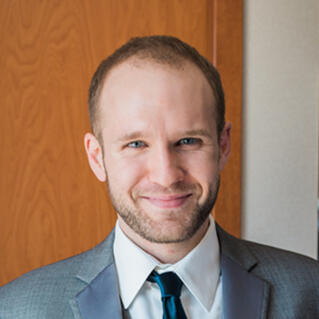
After 9 years (and counting) as the Mental Health Director for a large jail (1,000 inmates), Dr. William Mescall has thousands of hours of experience in the unique field of correctional mental health. This includes evaluating individual patients, guiding the jail into compliance with a DOJ settlement agreement (dismissed by the court in 2019), writing policies and procedures, filing civil commitment petitions, consulting for various courts and committees (mental health court, assisted outpatient treatment (AOT) team, justice reinvestment advisory committee), and conducting evaluations of the entire criminal justice system.Professional Services:* Dr. Mescall is available on a contract or fee-for-service basis to help with whatever your forensic or systemic needs are. Whether you need a single defendant evaluated for competence, or your entire jail mental health system designed from scratch, Dr. Mescall is prepared to provide the highest level of competence and professionalism. A detailed list of services can be found in their respective pages: Forensic – Compliance Monitoring – Program DesignFree Services: Time permitting, Dr. Mescall is happy to provide educational seminars on various mental health topics. These include:
• Navigating Mental Health Issues in the Criminal Justice System (primarily for attorneys)
• Navigating the Mental Health System for Families
• The Economic and Systemic Roots of Mental Illness (primarily for college and graduate students)*There are some limits to the services that Dr. Mescall can perform in Lake County due to a conflict of interest. If you require such a service, please reach out and Dr. Mescall can consider whether there is a conflict. If so, he can refer you to a capable colleague without a conflict.
Disclaimers
It is important to understand that the role of a psychologist in a forensic context differs from that of a clinical context. In a clinical context, the psychologist’s duty is generally to the client or patient he is treating/evaluating. The client usually retains “privilege” in these contexts, and the psychologist is bound to maintain the patient’s confidentiality (except in cases of dangerousness or abuse).When a psychologist is contracted to write policies, design a program, or act as a compliance monitor, his primary ethical responsibility is to protect the welfare and best interests of whatever patients are ultimately being served. He has the added responsibility in such cases to also consider the needs of the correctional facility, but the needs of the patients remain paramount.However, this changes in a forensic context. The forensic psychologist’s allegiance is to the truth, evidence, and accuracy of his assessment. This is true regardless of what party retains the psychologist. Additionally, it is unethical and immoral for psychologists to take cases on a contingency basis. It is possible that the party that retains the psychologist and pays for the evaluation may find that the conclusions of the assessment are unfavorable to their case. This is why most forensic psychologists require either a retainer or payment up front for services.In some instances, the retaining party may simply choose not to introduce into evidence such an evaluation. In other cases, the evaluation may become discoverable. The retaining attorney will need to consider this prior to making a referral.Furthermore, it is worth noting that clients/patients participating in a forensic evaluation have reduced privacy. As mentioned above, the results of these evaluations may be admitted into evidence and can be read by the judge and opposing counsel.